Running a small business in 2026 means managing multiple roles at once: marketing, sales, customer service, and everything in between. With customer expectations growing faster than ever, maintaining fast and personalized communication has become a real challenge for many business owners.
That’s why AI chatbots are no longer a luxury; they’re a necessity. Whether it’s answering customer queries, automating sales conversations, or providing after-hours support, chatbots help small businesses scale their service without increasing overhead costs.
In this guide, we’ll explore how AI chatbots empower small businesses, what features to look for, and how choosing the right chatbot solution can transform customer engagement.

1. Why Small Businesses Need AI Chatbots
Small businesses often compete with larger companies that have full-time customer service teams and advanced systems. But AI chatbots level the playing field by offering automation, efficiency, and 24/7 availability, without needing to hire extra staff.
Here’s what AI chatbots can do for small business owners:
- Handle repetitive inquiries automatically (like shipping updates or FAQs)
- Provide instant replies even outside business hours
- Offer multilingual support to reach broader audiences in markets like the GCC
- Qualify leads and schedule appointments seamlessly
- Boost engagement and sales through personalized recommendations
With these capabilities, even a small team can deliver enterprise-level support.
2. What Makes an AI Chatbot “the Best” for Small Businesses?
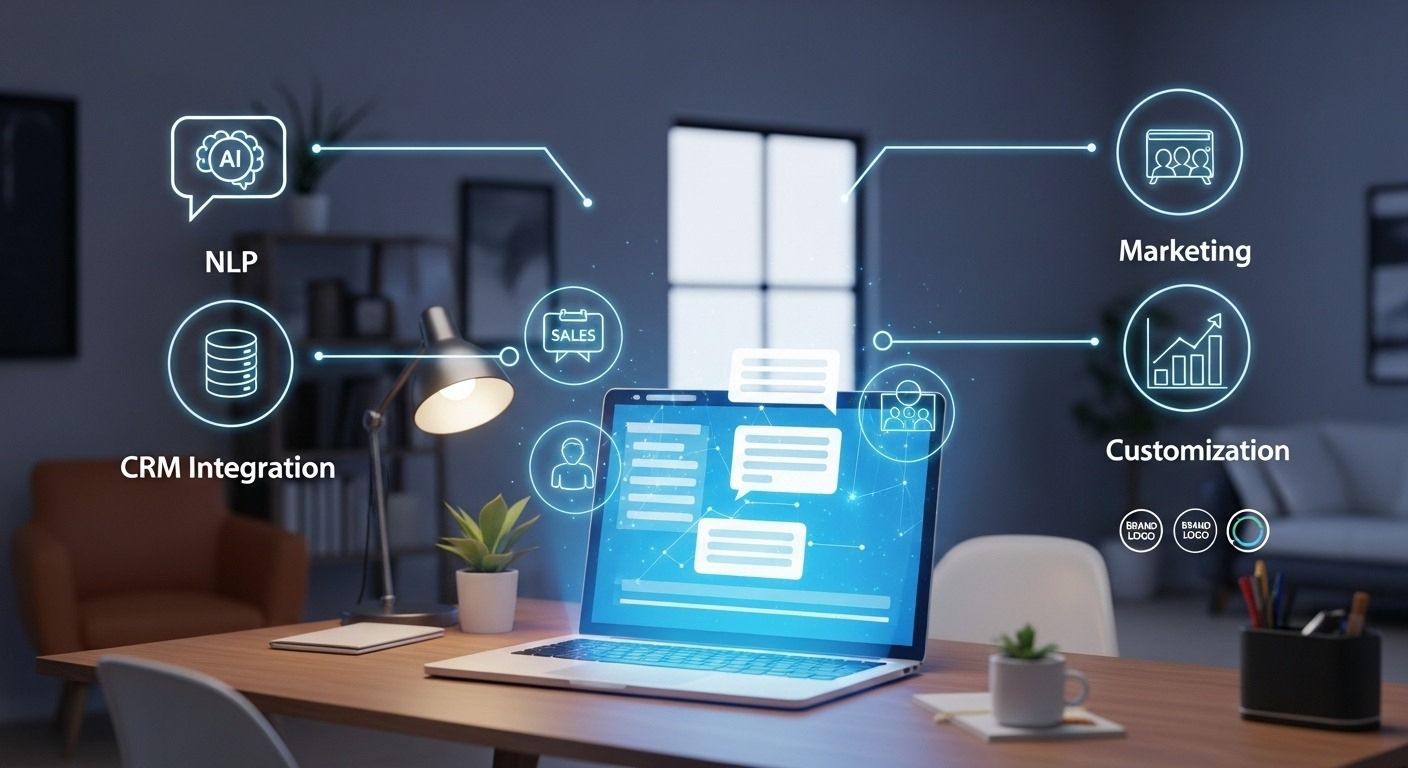
Not all chatbots are created equal. The best AI chatbot for small businesses is one that’s easy to use, integrates smoothly with existing systems, and grows alongside your business.
Here are some essential qualities to look for:
Ease of Setup:
A top-tier chatbot should be ready to go without heavy coding or long implementation timelines. Small businesses benefit most from no-code or low-code solutions that can be launched within hours, not weeks, allowing instant automation and value creation.
Natural Language Understanding:
Your chatbot must recognize not just words, but also intent, tone, and context. This ensures conversations feel human and empathetic rather than robotic, helping users feel understood and respected even during automated exchanges.
Integration Capability:
Seamless integration with your CRM, email marketing, or e-commerce systems ensures that your chatbot becomes a true extension of your operations, not an isolated tool. This unified ecosystem enhances data sharing, lead management, and customer tracking.
Scalability:
As your business grows, your chatbot should adapt easily, handling increasing inquiries without sacrificing response speed or quality. The right chatbot supports your growth journey by scaling smoothly alongside your success.
Customization:
Your chatbot should reflect your brand’s personality and tone, from greeting messages to the way it handles complaints. Consistent brand voice helps build familiarity and trust across all customer touchpoints.
A good example of modern AI chatbot architecture can be found in Forbes Technology Council’s article on conversational AI, which highlights how adaptability and personalization are now key to successful automation.
3. Benefits of Using AI Chatbots for Small Businesses
AI chatbots bring measurable benefits that go beyond simple automation.
1. Time Savings
Repetitive questions like “Where’s my order? ” or “What are your hours?” no longer require human intervention. A chatbot answers instantly, allowing your staff to focus on strategic tasks that actually drive business growth, not routine inquiries.
2. Cost Efficiency
Instead of hiring a full-time support team, small businesses can rely on chatbots to manage hundreds of conversations simultaneously. This reduces labor costs and helps maintain operational efficiency—especially for growing teams with limited budgets.
3. Better Customer Retention
Fast, helpful replies make customers feel valued. When people receive prompt and accurate responses, they’re more likely to trust your brand and return for future purchases. Over time, AI-powered responsiveness builds lasting loyalty.
4. Round-the-Clock Availability
Even when your team is off-duty, your chatbot remains active, welcoming visitors, providing product details, or collecting leads. This 24/7 presence ensures you never miss potential sales or inquiries, no matter the time zone.
5. Enhanced Data Insights
Every interaction provides valuable data. AI chatbots can uncover patterns, common issues, and customer preferences, offering actionable insights that help you refine products, marketing, and service strategies more effectively.
These combined benefits make chatbots indispensable tools for small businesses looking to operate smarter, not harder.

4. Real-World Use Cases for Small Businesses
AI chatbots can be tailored for nearly any small business scenario. Here are a few examples:
E-Commerce Stores:
E-commerce owners use chatbots to guide customers through the buying process, recommending products, helping with size or color choices, and resolving checkout issues. This keeps carts from being abandoned and turns browsers into buyers.
Local Service Providers:
From salons to medical clinics, service providers use chatbots to handle appointment bookings, send reminders, and answer basic questions. It’s a hands-free scheduling assistant that saves time and reduces missed appointments.
Startups:
Early-stage startups rely on chatbots to onboard new users, collect feedback, and deliver real-time technical support without overloading a small team. This automation supports scalability from day one.
Hospitality & Travel:
Hotels and travel agencies benefit from multilingual chatbots that manage bookings, provide travel details, and assist with cancellations. This builds a seamless customer experience across borders and time zones.
Each use case demonstrates how chatbots not only save time but also improve professionalism and customer satisfaction.
5. How to Choose the Right Chatbot for Your Business
When selecting a chatbot provider, consider these steps to ensure you make the right choice:
Step 1: Identify Pain Points
List areas where your team spends too much time, such as handling FAQs or managing appointments. Pinpointing these bottlenecks helps determine which chatbot features will deliver the most immediate value.
Step 2: Set Clear Goals
Decide what outcomes you expect: faster responses, higher conversions, or improved satisfaction scores. Defining these metrics early allows you to measure performance and ROI once the chatbot is live.
Step 3: Compare Features
Look for features that support your workflows: NLP capabilities, CRM syncing, analytics dashboards, and API connectivity. Integration ensures your chatbot enhances, rather than complicates, your customer experience.
Step 4: Test Before Committing
Always start with a trial or demo version to evaluate usability and effectiveness. This hands-on approach ensures you select a chatbot that fits your operations and delivers the right mix of automation and personality.
Choosing a flexible solution like VeloceAI’s AI Chat Assistant ensures you can grow your automation efforts as your business scales.
6. Integrating Chatbots into Your Daily Workflow
A well-integrated chatbot acts as a digital team member rather than an add-on.
Here’s how you can make it part of your daily workflow:
- Add it to your website homepage and product pages
- Integrate it into WhatsApp or social media messengers
- Use it for lead qualification before routing to sales teams
- Connect it with email or SMS for follow-up messages
With proper integration, chatbots can become a consistent source of engagement and customer retention.
7. Common Mistakes to Avoid
Even powerful tools can fall short if misused. Avoid these pitfalls when implementing your chatbot:
- Over-Automation: Don’t remove the human element completely—balance AI with empathy.
- Ignoring Updates: Chatbots should evolve as your business and products do.
- Complicated Flows: Keep conversations short and clear; long menus frustrate users.
- Lack of Branding: Make sure the chatbot matches your company’s voice and tone.
A chatbot that feels authentic, approachable, and relevant will always perform better than one that feels robotic or generic.
8. Future Outlook: Small Businesses and AI in 2025
The AI revolution isn’t just for large enterprises anymore. Small businesses are now leveraging AI to compete at the same level.
From smart chatbots and automated support systems to AI-driven analytics, small companies are adopting technologies once reserved for major corporations.
The result? More efficiency, faster growth, and higher customer satisfaction, all without the need for massive teams or budgets.
AI is democratizing customer experience, and chatbots are leading the way.

Transform Your Customer Support with AI
AI chatbots help you stay connected to customers, streamline operations, and scale support effortlessly.
If you’re a small business looking to enhance communication, reduce costs, and deliver exceptional service, this is the right time to start.
Ready to see it in action? Book your free discovery call today and learn how automation can help your business grow smarter, faster, and stronger.
